


At some point in your life, you have probably noticed metal materials showing signs of wear, porosity, and a reddish-brown discoloration (rust). This phenomenon is known as corrosion. What many people do not realize is that corrosion does not affect only metals—polymeric and ceramic materials are also susceptible to this natural process.
What Is Corrosion and How Is It Classified?
In simple terms, corrosion is a spontaneous chemical process that occurs when a material is exposed to a specific environment, causing its gradual deterioration. Corrosion is generally classified into three main types: electrochemical corrosion, chemical corrosion, and electrolytic corrosion.
To better understand these processes, it is important to understand oxidation-reduction (redox) reactions.
During a redox reaction, electrons are transferred from one substance to another. The substance that loses electrons undergoes oxidation and is called the reducing agent, while the substance that gains electrons undergoes reduction and is known as the oxidizing agent. The likelihood of corrosion occurring depends on the reduction potential of the material. Generally, the lower the reduction potential, the greater the tendency of the material to oxidize, increasing the possibility of corrosion cell formation.
Electrochemical corrosion is essentially a redox reaction in which electrons are exchanged between the metal and the surrounding environment. This process occurs in metallic materials when the metal is in contact with an electrolyte (an aqueous solution capable of conducting ions), or when two different metals are connected in the presence of an electrolyte. The difference in electrical potential between the two metals generates an electron flow that corrodes the less resistant metal. In other words, the anode, which has a higher oxidation rate, loses electrons that are transferred to the cathode, where reduction occurs. As a result, the anode is the part that undergoes corrosion.
Chemical corrosion, on the other hand, does not require the presence of an electrolyte. It occurs when the material comes into direct contact with a corrosive chemical agent.
Electrolytic corrosion differs from the previous types because it is not a spontaneous process. Instead, it occurs due to the application of an external electric current.
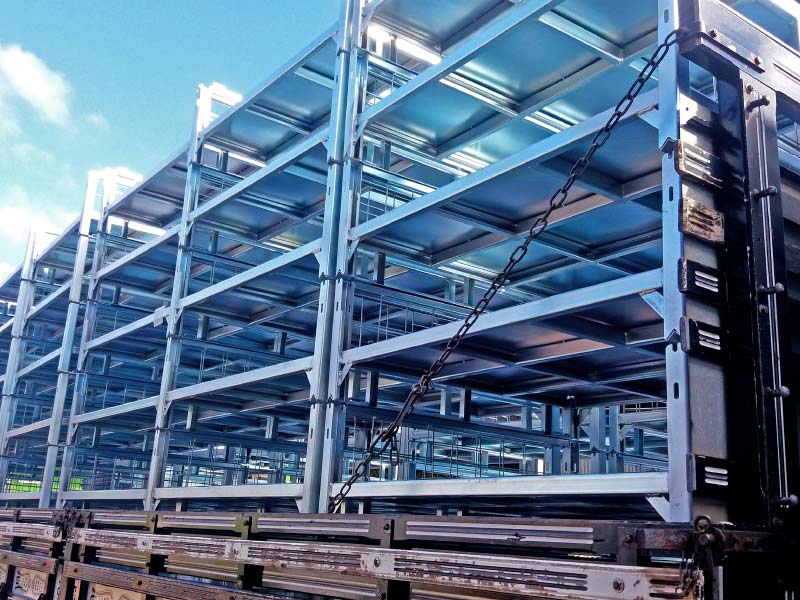
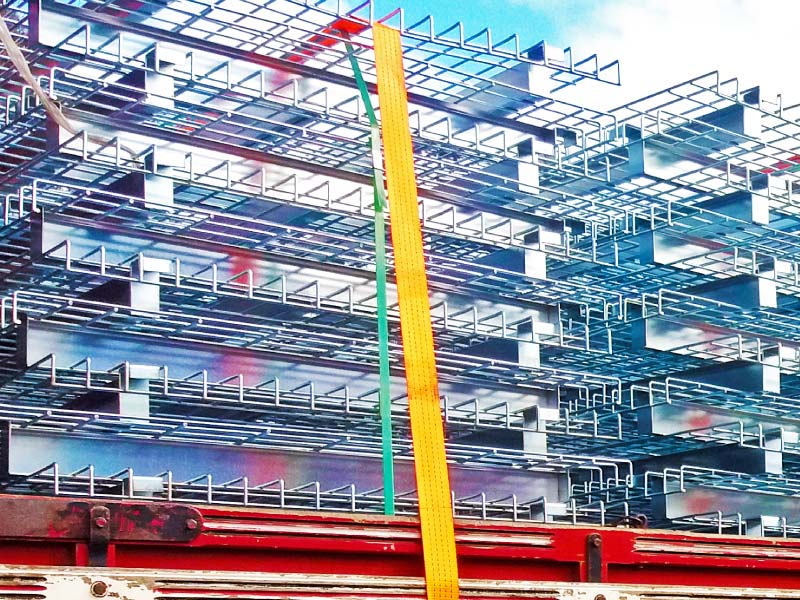
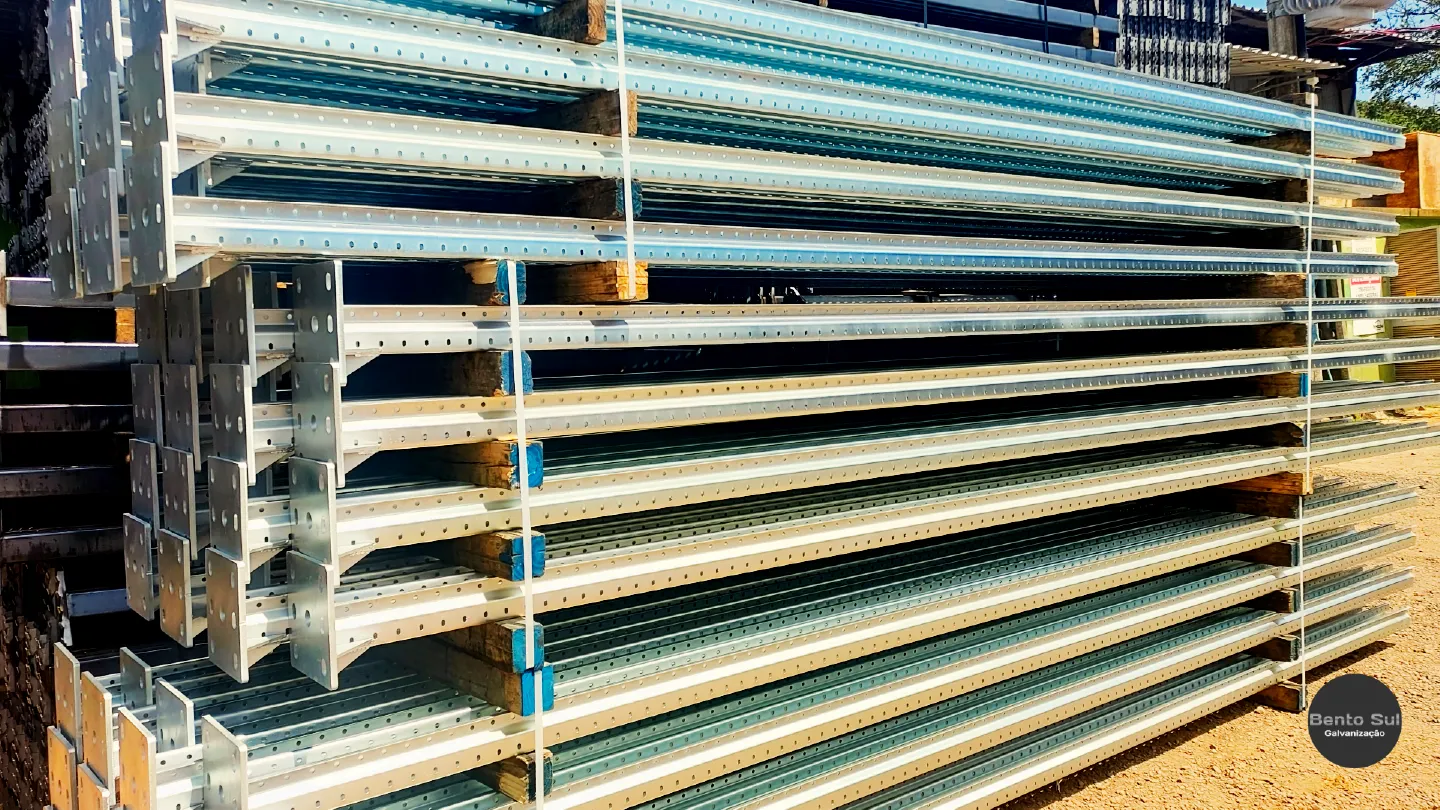
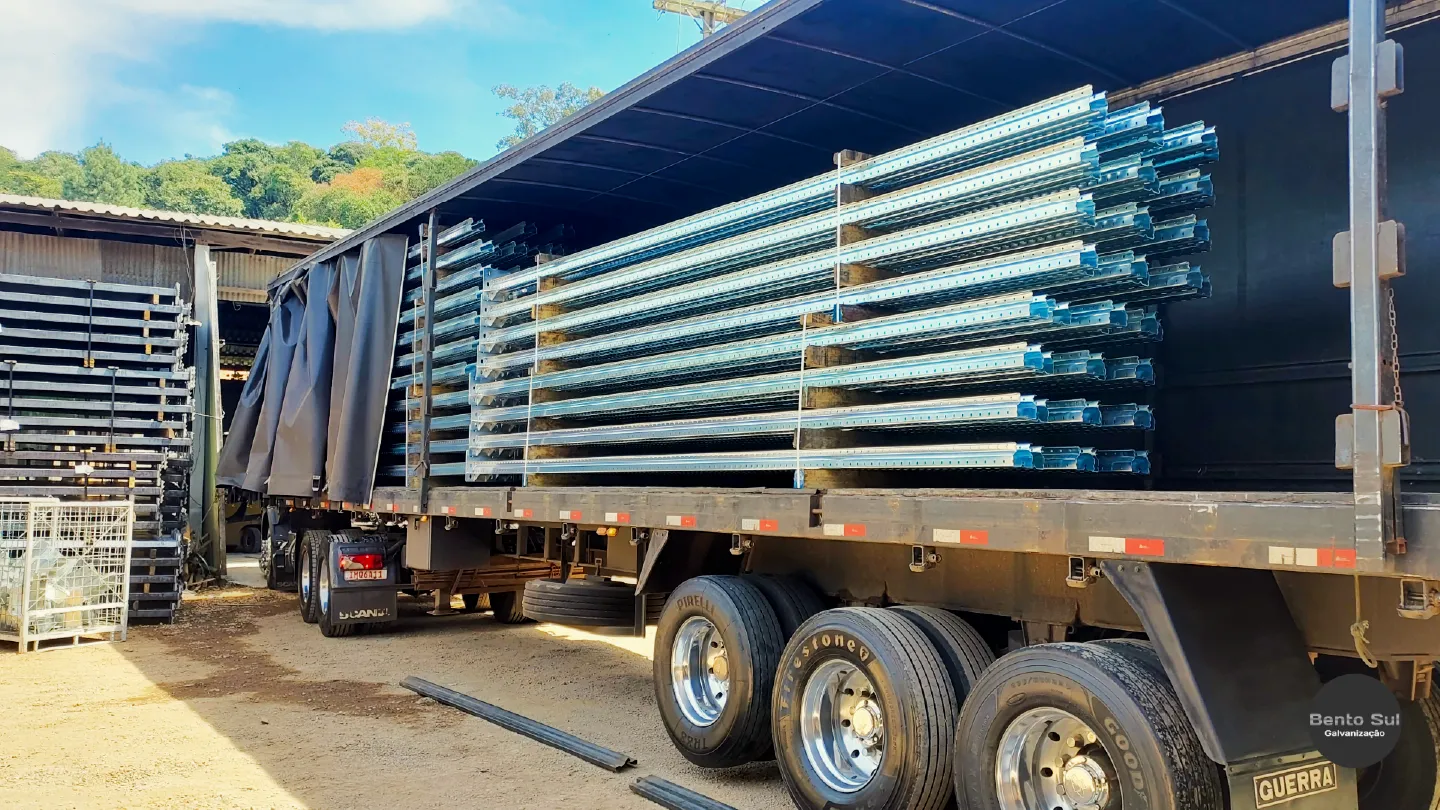
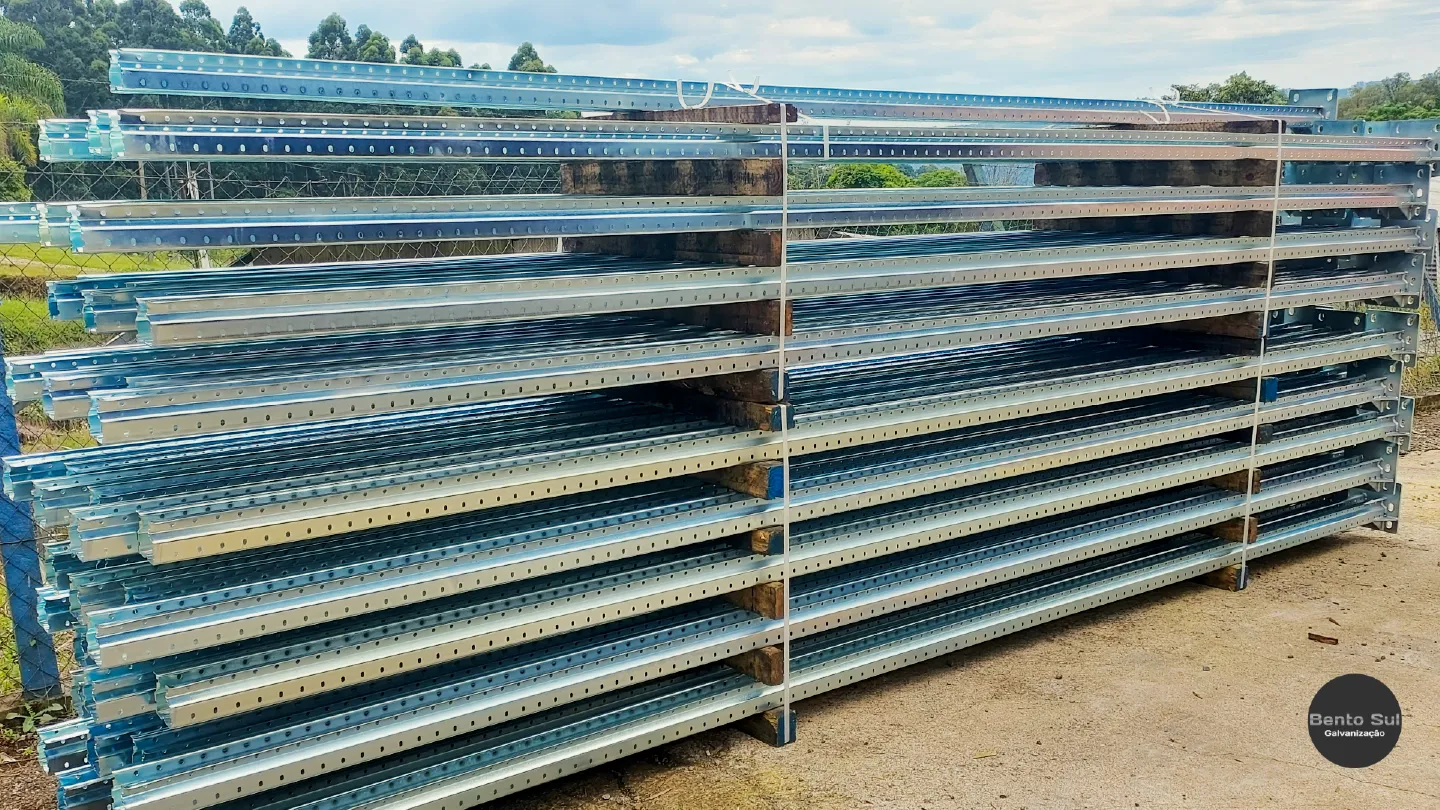
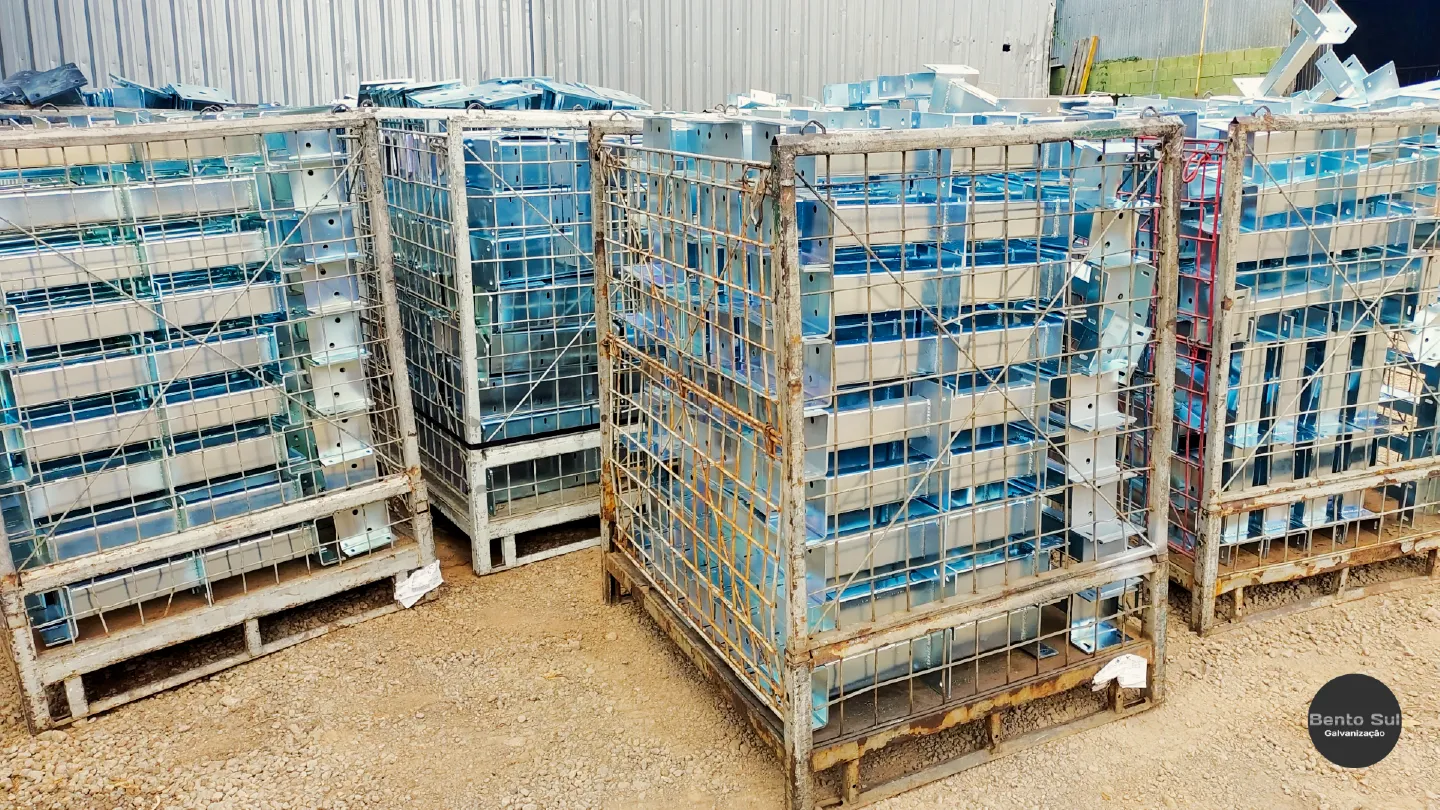
Electrolytic zinc plating is the process of depositing a layer of zinc onto a metal surface using an electric current. The alternating current supplied by the power grid is converted into direct current through rectifiers, allowing the current to be separated into positive and negative poles (anode and cathode).
At the anode, zinc dissolves into the electrolytic solution and is carried toward the workpiece connected to the cathode. Due to the high electrical current applied, the zinc is deposited uniformly onto the surface, remaining firmly bonded even when the material undergoes certain bending or forming operations.
After the zinc coating has been deposited, the part receives a passivation treatment. This protective layer enhances the corrosion resistance of the zinc coating while also providing an attractive, high-quality finish.
For more information, pricing, or a quote for Electrolytic Zinc Plating:
Send us a message on our WhatsApp.
Or send us a message through our Contact Page.
 WhatsApp